Essential Welding Safety Tips for Every Welder
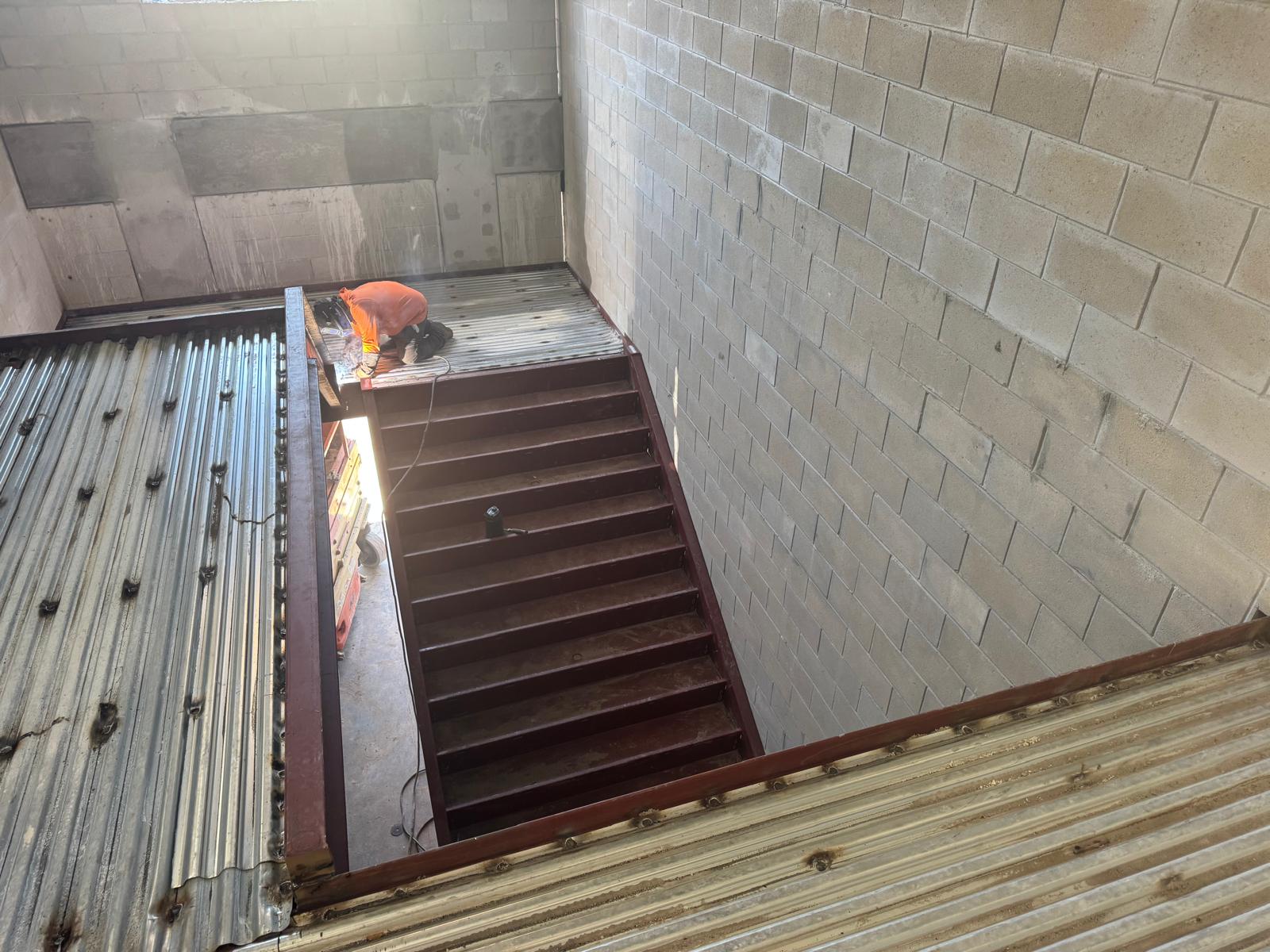
Welding is a vital skill in various industries, from construction to automotive. However, it's also a profession that comes with significant risks. Understanding and implementing safety measures can prevent accidents and ensure a safe working environment. In this blog, we will discuss essential welding safety tips that every welder should keep in mind.
1. Personal Protective Equipment (PPE)
Wearing the right personal protective equipment is one of the most critical aspects of welding safety. PPE protects you from sparks, heat, and harmful radiation.
- Welding helmet with a proper shade to protect your eyes.
- Flame-resistant gloves to prevent burns.
- Protective clothing made of durable materials.
- Steel-toed boots to protect your feet.
- Respirators or masks when working with harmful fumes.
2. Proper Ventilation
Good ventilation is crucial when welding, as it helps to disperse harmful fumes and gases.
- Ensure your workspace is well-ventilated.
- Use exhaust fans if necessary.
- Consider working outdoors when possible.
3. Fire Safety
Welding produces sparks that can ignite flammable materials. It's essential to have fire safety measures in place.
- Keep a fire extinguisher nearby and know how to use it.
- Remove any flammable materials from your workspace.
- Have a fire blanket on hand for emergencies.
4. Safe Equipment Handling
Handling welding equipment safely is vital to prevent accidents. Follow these guidelines:
- Inspect your welding equipment before use.
- Ensure all cables are in good condition and free of frays.
- Never leave welding equipment unattended.
5. Electrical Safety
Welding involves high voltage and currents, which can be hazardous. Follow these electrical safety tips:
- Always use equipment that is rated for the type of welding you are performing.
- Ensure all electrical connections are secure.
- Avoid working in wet conditions.
6. Awareness of Surroundings
Being aware of your surroundings is crucial for safety while welding.
- Inform others in the area that you are welding.
- Keep a clear workspace free of obstacles.
- Be cautious of overhead hazards.
7. Taking Breaks and Staying Hydrated
Welding can be physically demanding. Taking regular breaks and staying hydrated can help maintain your focus and overall well-being.
- Schedule breaks to rest and recuperate.
- Drink plenty of water throughout the day.
- Avoid working when fatigued.
Conclusion
Welding safety is paramount for every professional in the field. By following these essential tips and implementing safety measures, you can create a safer working environment for yourself and your colleagues. Remember, investing in safety is investing in your future.