Welding in Extreme Conditions: Techniques and Best Practices
Welding is a critical process in various industries, but when it comes to extreme conditions, it poses unique challenges. Whether working in frigid temperatures, high altitudes, or underwater, welders must adapt their techniques and practices to ensure safety and quality. In this guide, we will explore effective welding techniques and best practices for harsh environments.
Understanding Extreme Welding Conditions
Extreme welding conditions can vary significantly based on the environment. Here are some of the most common types of extreme conditions welders may face:
- Low temperatures (e.g., arctic conditions)
- High temperatures (e.g., desert conditions)
- High altitudes (e.g., mountain projects)
- Underwater welding
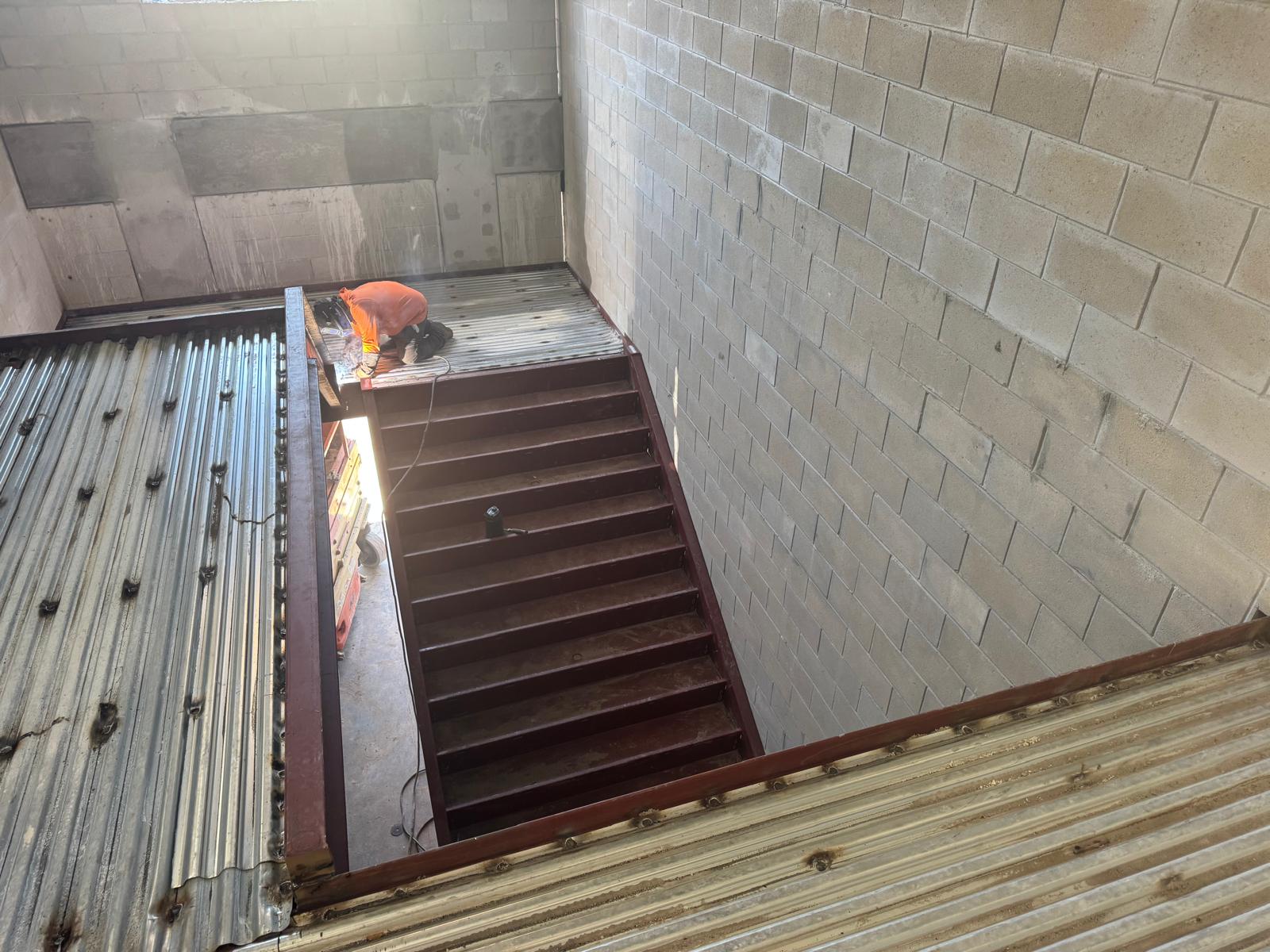
- Welding in confined spaces
Techniques for Welding in Cold Conditions
Welding in cold environments can lead to brittle welds and other issues. Here are some essential techniques to consider:
- Preheating the base material to reduce thermal shock
- Using low-hydrogen electrodes to minimize moisture absorption
- Employing proper insulation to maintain heat
- Implementing controlled welding speeds to ensure quality
Choosing the Right Filler Material
Selecting appropriate filler materials is crucial in cold welding. Look for materials that maintain ductility in low temperatures. Low-hydrogen filler rods are often recommended.
Welding in High Temperatures
High-temperature environments can lead to warping, distortion, and even melting of certain materials. Here are techniques to overcome these challenges:
- Using heat-resistant filler materials
- Controlling the heat input to prevent overheating
- Implementing effective cooling techniques post-welding
- Regularly checking the integrity of equipment to avoid failures
Fatigue and Stress Considerations
Materials can experience different stress levels in high temperatures. It is essential to account for fatigue limits during the design phase.
Welding at High Altitudes
Welding at high altitudes presents unique challenges due to reduced atmospheric pressure and lower temperatures. Here are some strategies to mitigate these issues:
- Using specialized equipment designed for high-altitude conditions
- Maintaining proper shielding gas flow to combat atmospheric changes
- Adapting welding techniques to account for material behavior in lower pressure
Underwater Welding Techniques
Underwater welding is one of the most challenging forms of extreme welding. Here are critical techniques to ensure success:
- Utilizing dry welding techniques to maintain a dry working environment
- Implementing appropriate safety measures to prevent accidents
- Using specialized equipment waterproofed for underwater conditions
Safety First
Safety is paramount in underwater welding. Always ensure that divers are well-trained and equipped with emergency protocols.
Best Practices for Welding in Harsh Environments
Adopting best practices not only enhances welding quality but also ensures safety. Here are some essential best practices to follow:
- Regularly inspect and maintain equipment to ensure reliability
- Train personnel thoroughly on techniques specific to extreme conditions
- Conduct risk assessments before starting any welding project
- Document all procedures and outcomes for continuous improvement
Conclusion
Welding in extreme conditions requires specialized techniques and a commitment to safety. By understanding the unique challenges posed by various environments and employing best practices, welders can achieve high-quality results while minimizing risks. Whether you are welding in cold, hot, high, or underwater conditions, staying informed and prepared will lead to success in every project.